

Modern Slavery and Human Trafficking Policy
Barclay Digital Services April 2026
Policy Statement
Modern slavery is a crime and a serious violation of fundamental human rights. It includes slavery, servitude, forced or compulsory labour, and human trafficking, all of which involve exploitation for personal or commercial gain.
We operate a zero-tolerance approach to modern slavery in all its forms and are committed to acting ethically, transparently, and with integrity in all business activities and relationships.
We are committed to ensuring that modern slavery does not occur anywhere within our organisation or in any part of our supply chains. This commitment aligns with the Modern Slavery Act 2015 and the expectations of Crown Commercial Service (CCS) frameworks.
We expect all suppliers, contractors, and business partners to uphold equivalent standards and to implement appropriate controls within their own organisations and extended supply chains.
This policy applies to all individuals working for or on behalf of the organisation, including employees, directors, agency workers, consultants, contractors, volunteers, and suppliers.
This policy does not form part of any employment contract and may be amended as required.
Organisational context and supply chains
Barclay Communications is a business-to-business provider of telecommunications and IT services, delivering connectivity, managed services, hardware solutions, and associated technologies to public and private sector customers across the UK.
Our activities include procurement, configuration, installation, integration, support, and maintenance of telecoms and IT infrastructure, including network services, cloud platforms, and hardware/software solutions.
Our supply chains include:
- Network infrastructure providers and telecoms carriers
- IT hardware manufacturers and authorised distributors
- Software vendors and cloud service providers
- Data centre and hosting providers
- Installation, cabling, and field engineering contractors
- Recruitment and labour agencies supplying technical and operational staff
- Logistics, warehousing, and distribution providers
- Specialist subcontractors supporting managed service delivery
- Modern slavery risk areas
We recognise that higher-risk areas within our supply chain may include:
- Manufacturing and assembly of electronic components (often global multi-tier supply chains)
- Third-party installation and engineering services
- Temporary, agency, and outsourced labour
- Logistics and warehousing operations
- Multi-tier subcontracting arrangements beyond Tier 1 suppliers
We also recognise that risks may exist beyond Tier 1 suppliers. Where appropriate, we seek reasonable visibility of Tier 2 and Tier 3 supply chain practices, particularly in higher-risk categories.
We apply a risk-based approach to supplier management, focusing enhanced due diligence on these areas.
Governance and responsibility
Overall responsibility for this policy rests with the Senior Leadership Team, who ensure its effectiveness, implementation, and alignment with legal and CCS requirements.
The Compliance Lead / Human Resources Manager is responsible for:
- Day-to-day implementation of this policy
- Supplier risk assessment and due diligence processes
- Maintaining training and awareness programmes
- Managing incident reporting, investigation, and escalation
- Coordinating supplier assurance activity and documentation
Line managers are responsible for ensuring awareness and compliance within their teams.
All employees and contractors are responsible for:
- Understanding this policy
- Identifying and reporting concerns
- Supporting compliance in day-to-day activities
Risk assessment and due diligence
We operate a structured, risk-based due diligence process proportionate to supplier type, geography, and service category.
Supplier onboarding controls
All suppliers are subject to:
- Mandatory onboarding checks
- Risk classification (low / medium / high risk)
- Approval by Procurement and Compliance prior to engagement
- Inclusion of modern slavery contractual clauses
Due diligence activities may include:
- Review of supplier modern slavery statements (where applicable)
- Supplier self-declaration questionnaires
- Assessment of labour sourcing practices
- Evaluation of subcontracting arrangements
- Verification of compliance for higher-risk suppliers
Enhanced due diligence (where risk is elevated):
- Supplier audits (desktop or on-site where appropriate)
- Third-party verification or certification review
- Additional contractual safeguards
- Corrective action planning with defined timelines
We maintain documented evidence of supplier due diligence activity to support audit and CCS assurance requirements.
Compliance and expected standards
All employees and representatives must:
- Avoid any activity that may lead to a breach of this policy
- Remain alert to indicators of exploitation or coercion
- Report concerns promptly through designated channels
All suppliers and business partners must:
- Prohibit forced, compulsory, or trafficked labour
- Ensure safe, fair, and lawful working conditions
- Maintain transparency across their supply chains
- Cascade equivalent standards to their subcontractors
Failure to comply may result in contract termination and/or suspension.
Reporting concerns and investigation process
We actively encourage reporting of any concerns relating to modern slavery.
Concerns should be reported to a line manager or the Compliance/HR function.
Investigation process:
- All reports are logged and assessed by the Compliance Lead
- A formal investigation is initiated where credible concerns exist
- External authorities may be notified where appropriate
- Suppliers may be suspended pending investigation outcome
- Findings are escalated to the Senior Leadership Team
We are committed to protecting individuals who raise concerns in good faith from any form of retaliation.
Training and Awareness
Modern slavery awareness training is provided:
- As part of employee induction
- Periodically as refresher training
- To relevant procurement, HR, and management staff
Training covers:
- Identification of modern slavery indicators
- Reporting procedures
- Supplier risk awareness
- Legal responsibilities under the Modern Slavery Act 2015
Monitoring effectiveness and continuous improvement
We monitor policy effectiveness through:
- Supplier compliance and due diligence completion checks
- Internal audits and procurement reviews
- Review of incidents and corrective actions
- Supplier engagement feedback
Key Performance Indicators (KPIs):
- 100% of new suppliers subject to due diligence checks
- 100% completion of onboarding risk assessments
- 100% training completion for relevant staff
- Annual review completion of high-risk suppliers
- Incident resolution within defined internal SLA
KPIs are reviewed annually by the Senior Leadership Team.
Breaches of this policy
Any breach of this policy by employees, contractors, or suppliers may result in:
- Disciplinary action
- Contract termination
- Reporting to relevant authorities where appropriate
Communication to suppliers, review and approval
We communicate our zero-tolerance approach to modern slavery at the outset of all supplier relationships.
Suppliers are required to:
- Comply with this policy or equivalent standards
- Implement appropriate controls within their own organisation
- Cascade obligations throughout their supply chains, including subcontractors
Suppliers are expected to cascade equivalent standards throughout their own supply chains.
This policy is reviewed at least annually, or more frequently where required due to legislative, regulatory, or operational changes.
The review process is overseen by senior management to ensure continued compliance with the Modern Slavery Act 2015 and alignment with Crown Commercial Service procurement expectations.
Approved by:
Name: John Britton Megahey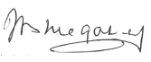
Position: Managing Director / Founder.
Date: Monday 13th April 2026